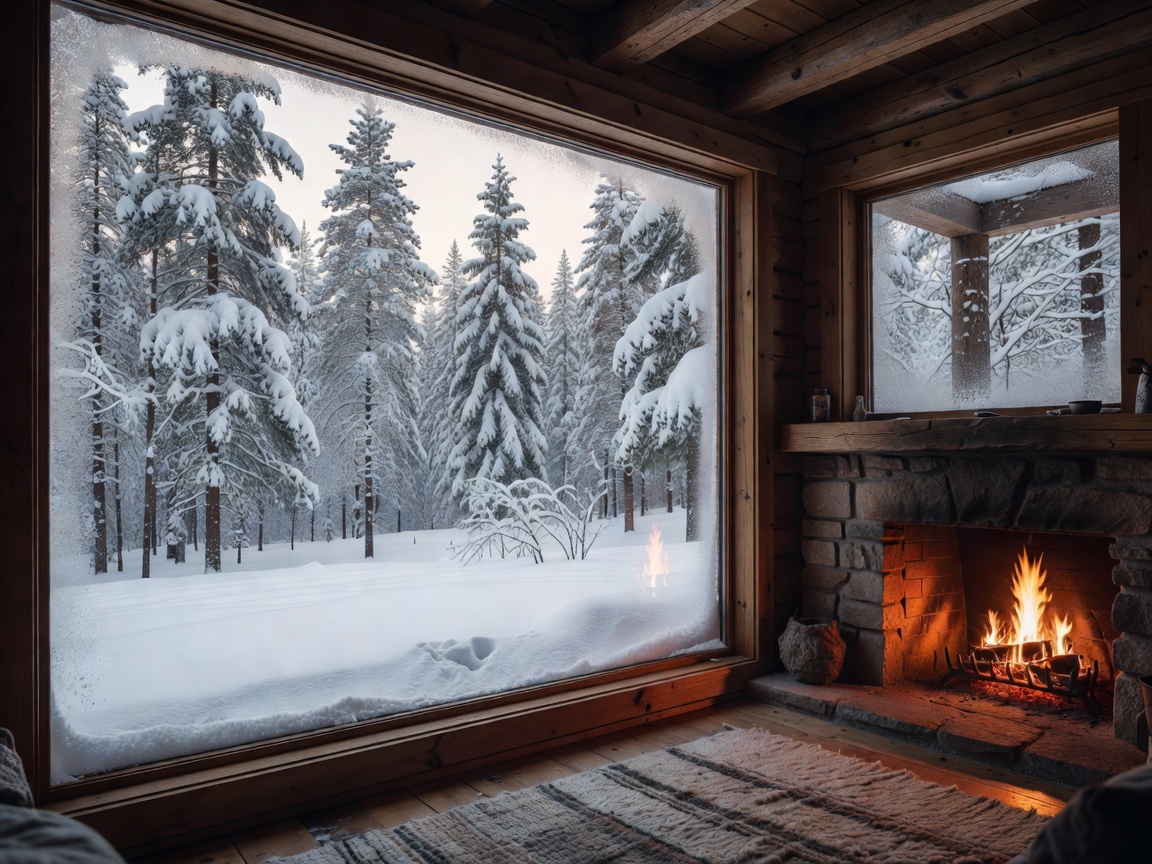
A winter stay in a glass cabin combines an open view with ordinary cold-weather logistics. Snow can change paths and roads. Daylight may be brief. Wet boots and layers need somewhere to go. Indoor comfort depends on the building, heating and how guests use the space. Conditions vary by place and date, so check current local information before departure rather than relying on a generic seasonal description.
Heating and indoor comfort
Ask what heating system is installed and how to operate it. The response of a cabin depends on its insulation, glazing, draught control, room layout and outside conditions. A large glass wall can feel cooler near the window than a solid wall, even when the room is heated. Choose seats with more than one position, and check whether the sleeping area has its own temperature controls.
Read the property's instructions before adjusting equipment. Do not cover heaters, block vents or use appliances in ways not approved by the operator. If the space feels unusually cold or equipment appears faulty, contact the responsible property manager rather than attempting repairs. Keep ventilation operating as directed. Cooking, bathing and drying clothes add moisture; indoor air needs a route for that moisture to leave.
Condensation and wet clothing
Condensation can appear when humid indoor air meets a cool surface. It may be more noticeable near glazing during cold periods. Use extractor fans and ventilation instructions, keep furniture clear of vents and avoid drying heavy wet gear in an unventilated sleeping area. A dedicated drying space, entry mat and hooks are useful features to ask about. Do not apply chemicals or scrape ice from a pane unless the operator provides specific instructions.
Snow, footwear and outdoor access
Winter access can differ from what a summer photograph suggests. Snow may cover steps, paths and surface markings. Ask who maintains the route to the entrance, whether parking is near the cabin and what footwear is recommended. Waterproof boots with dependable grip are useful for icy or snowy ground. Traction devices may be appropriate in some places, but follow local advice and use them only when suitable for the surface.
Pack layers that can be adjusted: a warm base, insulating middle layer, weather-resistant outer layer, hat, gloves and dry socks. Add any personal cold-weather equipment needed for planned activities. Keep a spare dry layer accessible. If you plan to walk after dark, confirm that paths are open and safe, carry appropriate lighting and avoid unfamiliar terrain during poor visibility.
Daylight and daily rhythm
Day length varies substantially across northern regions and by season. In some periods, usable daylight is limited; at other times, extended twilight or long days reshape the schedule. Look up local sunrise and sunset times for your dates. Plan driving, arrival and outdoor activities around the actual light available. Leave flexibility for changing weather and slower road journeys.
Glass increases daylight inside but does not replace safe lighting. Check whether curtains or blinds are available for sleeping, privacy and glare control. Use indoor light thoughtfully at night: a bright room can reflect in the windows and make the outdoor view harder to see.
Weather and transport changes
Snowfall, wind and freezing conditions can affect roads, public transport and walking access. Verify the route and current road information close to departure. Allow time for winter driving, check any vehicle requirements with the rental provider and never assume a route is clear because it was passable earlier. If public transport is involved, confirm last-mile connections and what happens if services are delayed.
Key considerations
- Get heating, ventilation and drying instructions before arrival.
- Check snow clearance, entrance steps, parking and route lighting.
- Pack for wet, cold conditions and changing daylight.
- Make a weather-aware transport plan with a practical backup.
Good for
Travellers who like quiet indoor time, can adapt to changing weather and are comfortable preparing suitable clothing. A glass cabin may be less suitable if step-free access, immediate services or predictable outdoor conditions are essential and not confirmed in advance.
What to check
Confirm heating controls, ventilation, bedding, drying space, snow clearance responsibility and emergency contact arrangements. Ask about the terrain between parking and the entrance. Verify accessibility details directly, including thresholds, bathroom access and winter maintenance.