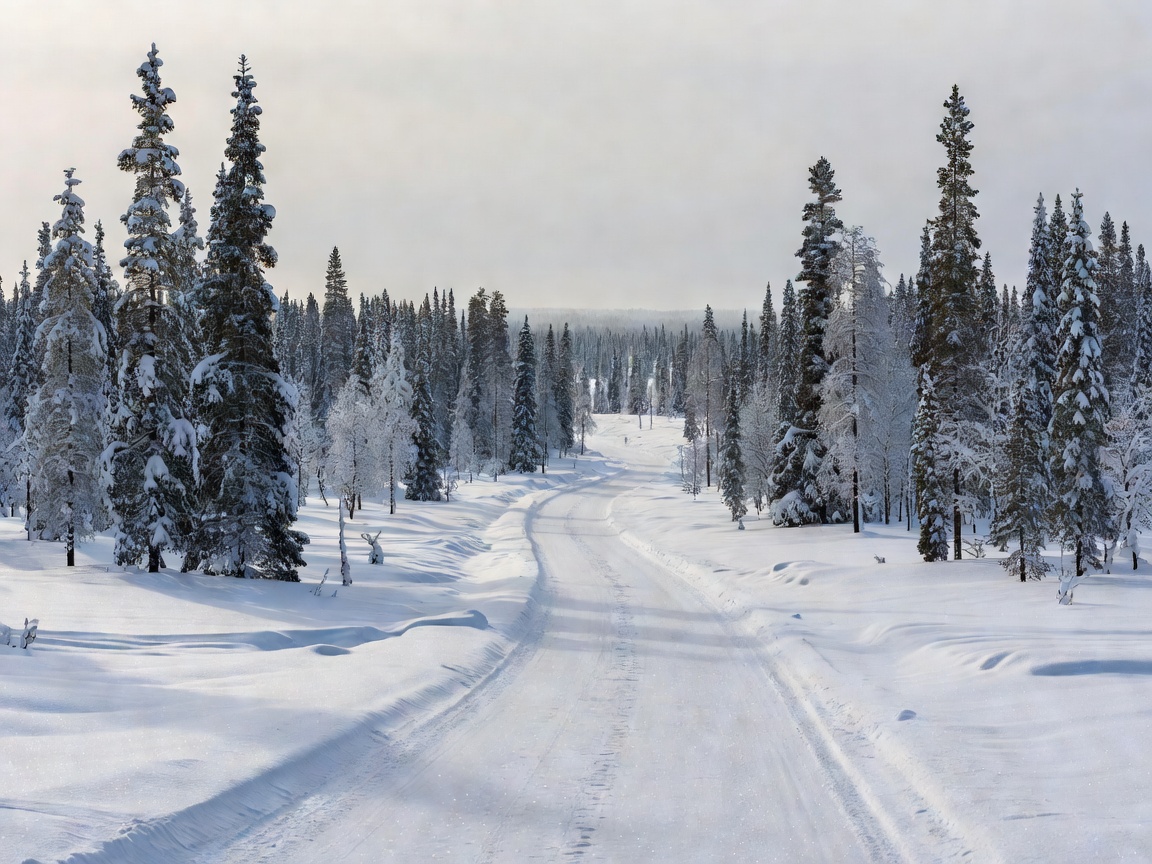
Planning a winter cabin trip involves several linked decisions. A date affects daylight, weather and road conditions. A remote address affects transport and supplies. A glass façade affects privacy and indoor lighting. Check the details that apply to your exact accommodation and travel dates; general advice cannot confirm availability, current prices or operating conditions. This website is independent and does not make bookings.
Choose dates for the experience you want
Start with priorities. Longer nights may suit sky watching, while more daylight can make driving and outdoor activities easier. The length of daylight varies by latitude and season. Check local sunrise and sunset times for the destination rather than assuming the region has one standard pattern. Consider whether you are comfortable with darkness, cold and weather disruption. If night-sky viewing is central, remember that cloud and other conditions can prevent a clear view.
Before selecting dates, compare your own schedule with travel time, arrival instructions and any transport connections. Leave a buffer if a delayed service or slow road journey would make a late arrival difficult. Confirm what happens if travel is disrupted, including how to contact the accommodation provider.
Work out the full transport chain
Map the journey from home to the cabin entrance, not just to the nearest town. Identify flight, rail, bus or car connections and check the final leg. Ask whether transfers are available, whether they need advance arrangement and where a vehicle can be parked. Do not assume local taxi services or public transport operate at the times you need. Verify current timetables and service details with the relevant provider.
Winter driving needs extra time and attention. Check current road conditions shortly before travel, follow local advice, and confirm vehicle equipment with your rental company. A route that looks short on a map can take longer in snow, darkness or poor visibility. Avoid planning a demanding unfamiliar drive after a late arrival. Keep essential contact details and directions accessible offline where practical.
Confirm the accommodation details
Read the full booking conditions before payment. Check cancellation and amendment deadlines, payment schedule, deposits, cleaning expectations and any rules about children, pets or noise. Understand who is responsible for communicating changes and how to reach them during travel. The site does not verify or endorse any individual listing. Keep a record of the terms provided by the booking party.
Check what is included rather than inferring it from photographs. Ask about bedding, towels, cooking equipment, heating controls, window coverings and a place to dry winter clothing. For glass cabins, confirm privacy measures at night and whether the main windows are fixed or openable. Ask about ventilation instructions and how guests should report equipment problems.
Pack for conditions, not pictures
Use a layered clothing system that suits the forecast and planned activities. Bring waterproof outerwear, insulating layers, gloves, hat, spare socks and footwear with suitable grip. Add any personal medication, mobility equipment or specialist outdoor items you need. A small headlamp can help on dark paths, but use it carefully around other people and follow property guidance. Pack chargers and any required adapters for your devices.
Do not bring equipment that could damage the property or create a fire risk. Ask before using candles, cooking equipment or outdoor fire features. Keep wet gear out of sleeping areas when possible and follow ventilation instructions. If you have a particular dietary, medical or access requirement, clarify it before booking rather than expecting it to be available on arrival.
Accessibility and support
Ask precise questions about the entire route: parking surface, distance, gradients, steps, door widths, thresholds, bathroom layout, bed access and snow clearance. “Accessible” can mean different things to different providers. Request measurements or current photographs if useful, and discuss your needs directly. Confirm whether the area around the cabin is maintained during winter and what assistance is realistically available in an emergency.
Key considerations
- Check seasonal daylight, transport connections and arrival timing.
- Read cancellation, payment and amendment policies carefully.
- Confirm the last mile, winter access and accessibility details directly.
- Pack for cold, wet conditions and a flexible schedule.
Good for
Independent travellers who like to resolve practical details early and keep a backup plan. A remote winter stay can require more preparation than a town-based visit. If you need frequent services or guaranteed transport, confirm those arrangements before committing.
What to check
Verify current road and transit conditions, exact arrival instructions, emergency contacts, heating information, cancellation deadlines and accessibility. Recheck forecasts and services shortly before departure. Keep plans adaptable; no general guide can predict local conditions for your dates.